Newborns & feeding
From the last weeks of pregnancy to the first weeks home: what to expect, and where we come in
A pediatrician’s part starts before birth: a prenatal visit, the hospital handoff, the first newborn check within days, and watching the parents as closely as the baby in the weeks after.
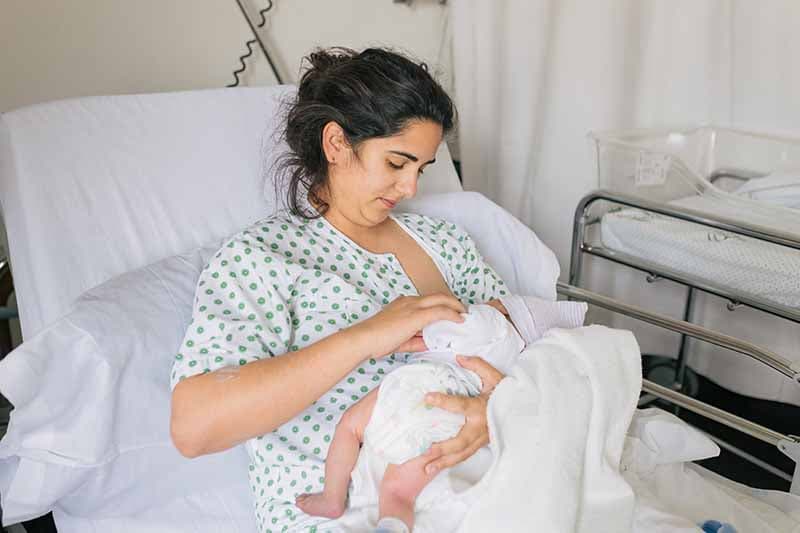
Obstetricians care for the pregnancy. We care for the baby, and increasingly for the parents’ first weeks, because a newborn does well when the people holding them do. This is the timeline as we see it from our side.
Before the birth
We offer a free prenatal visit in the last trimester. Parents meet the doctor, see the office, and ask anything: feeding plans, circumcision, vaccines, car seats, who to call at night. We also talk about what the hospital will do in the first two days, so nothing there surprises you.
At the hospital
The hospital pediatrician examines the baby, orders the newborn screen, the hearing test and the heart screen, and gives the first hepatitis B vaccine. Ask for copies of the discharge papers and the feeding record; bring them to us. If your baby needs the NICU, we receive the summary and pick up care at discharge.
The first week home
We see every newborn within two to three days of leaving the hospital, sooner for jaundice or feeding trouble. That visit is mostly about weight, feeding, jaundice and how the parents are doing. Expect the baby to have lost up to 7 to 10 percent of birth weight and to regain it by two weeks. Expect to feel that you have no idea what you are doing; everyone does.
Your own recovery
- Bleeding for several weeks and afterpains while nursing are normal; bleeding that soaks a pad an hour is not
- Feeling tearful and overwhelmed in the first two weeks is the “baby blues” and affects most mothers
- Sadness, anxiety, anger or numbness that lasts past two weeks, or any thought of harming yourself or the baby, is postpartum depression or anxiety, and it is treatable; tell us or your obstetrician the same day
- Fathers and partners get postpartum depression too, at about one in ten
We screen mothers for postpartum depression at the newborn visits and again at one, two, four and six months. It is a routine question here, and the answer never goes on the baby’s chart in a way that would embarrass anyone.
The next two months
Visits at two weeks, one month and two months cover weight, feeding, sleep, vaccines and development, and leave time for your list. Between visits, call. Fever in a baby under three months is an emergency; almost everything else can wait for a phone call in the morning.
If you are expecting, call to book the prenatal visit. If you have just come home, call to book the first newborn visit before you leave the hospital, and we will hold the slot.